Go North! How online retailers win the hearts of Scandinavian consumers with quality and sustainability

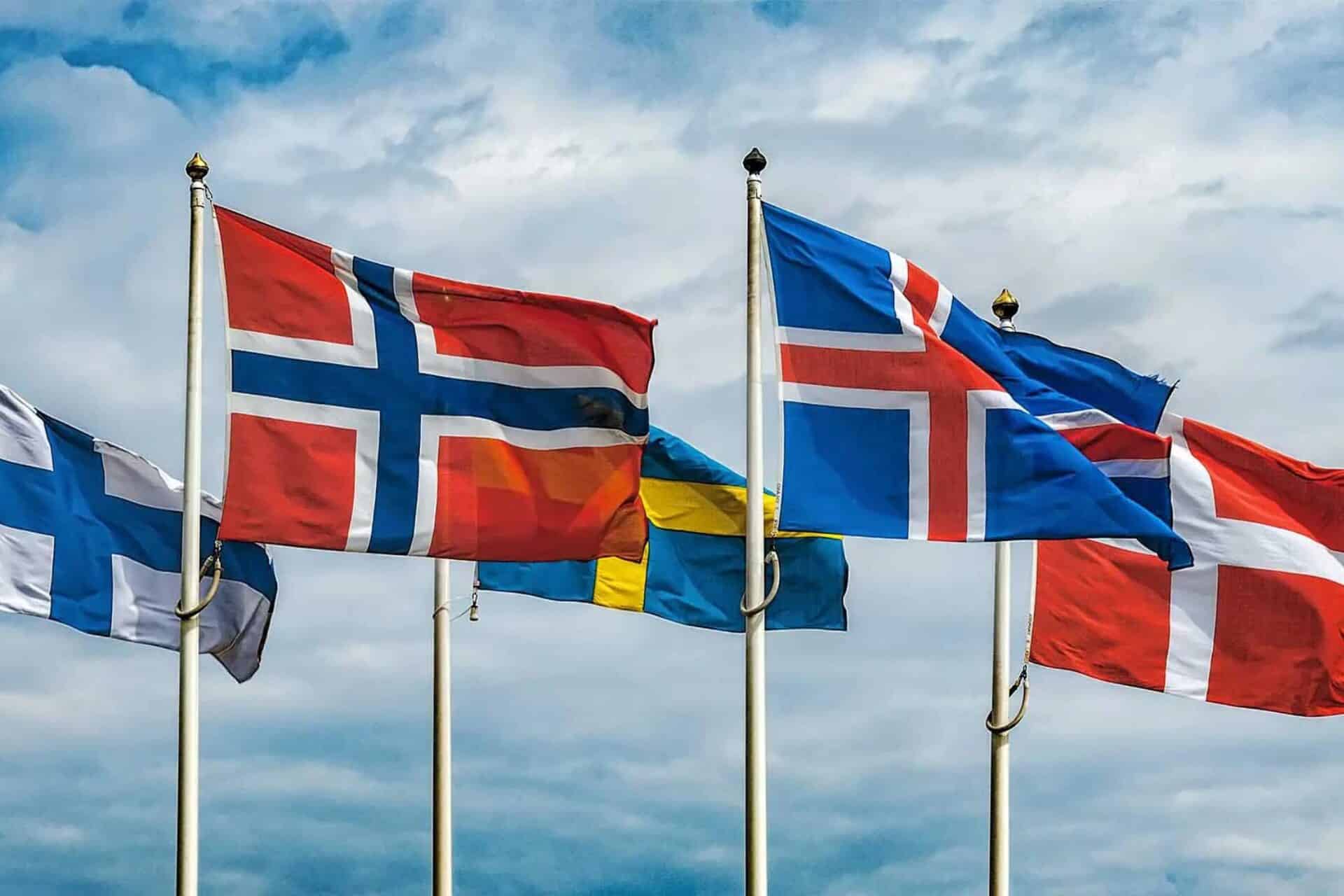
Online retailers who want to grow beyond their home market face a decisive choice: either they accept slow growth, or they try to scale their business cross-border. Scandinavia is often overlooked in the search for suitable countries. “Wrongly,” says Jeroen Leenders, Co-Founder of Salesupply.
The Nordic markets are smaller than Germany or France, but they are far from small. Sweden alone recorded SEK 153 billion (about €14 billion) in online sales in 2025, up 10% on the year before. The combination of above-average internet usage and technological expertise, high purchasing power and significantly less competition than in other European online markets makes Scandinavia attractive for foreign online retailers. 86% of Nordic consumers shopped online in the last 30 days, according to PostNord’s survey from early 2026.
Consumers from Scandinavia appreciate sustainable quality goods
Online retailers that offer high-quality, sustainable products and services in popular online categories such as fashion, household appliances and cosmetics can expect strong demand. This is because Nordic consumers are consciously looking for high-quality and sustainable products and are prepared to pay a higher price for them. Moreover, Scandinavian customers are no strangers to international shopping. 78% of Nordic consumers bought from abroad in the past year, and China is the most common origin of their latest foreign purchase (30%), followed by Germany and neighbouring Nordic countries.
However, anyone who wants to lump all Scandinavian countries together because of their common roots will fail. This is because the differences in purchasing behaviour and expectations of the shopping experience are considerable in some cases. Norway, as a non-EU member, is of course a special exception. But there are also numerous special features in the other EU countries.
Returns stay moderate across the Nordics
While the Danes, for example, are very digitally savvy, older target groups in Finland in particular need to be given more guidance when it comes to online retail. In addition, they are very suspicious when it comes to passing on their data and pay more attention to ensuring that products comply with European standards. The Swedes, on the other hand, are very focused on sustainability: 52% are willing to wait longer for a more sustainable delivery. Returns are moderate across the region: 28% of Nordic online shoppers returned an item in the past three months, ranging from 22% in Finland to 33% in Denmark. And the Norwegians, like the Danes, are very open-minded when it comes to using new technologies to continuously improve the user experience.
There are also differences when it comes to logistics. Home delivery is the most common method in Sweden (28%). Danes most often collect their parcels at a service point (51%), as do Norwegians (30%). The Finns most often use a parcel locker (38%).
One thing that all four countries have in common, however, is a high affinity for mobile commerce: if you want to sell to Nordic consumers, you should therefore ensure that your online shop and app are user-friendly and optimised for mobile devices. In addition, customers in Scandinavia expect efficient support (ideally in their native language) when they have questions but they are more patient than the Germans and the Dutch.
In order to compete with local providers, foreign online retailers looking to expand into Scandinavia must be able to offer flexible, efficient solutions tailored to the local markets. Oftentimes the last mile delivery cost are a bottleneck for online shops delivering packages from abroad. To be able to compete with local competitors in Scandinavia a local fulfillment center is required to significantly reduce last mile costs.
Shipping to customers in other countries?
Talk to a fulfillment expert →