Selling in Europe: A Global Roadmap for E-Commerce Success

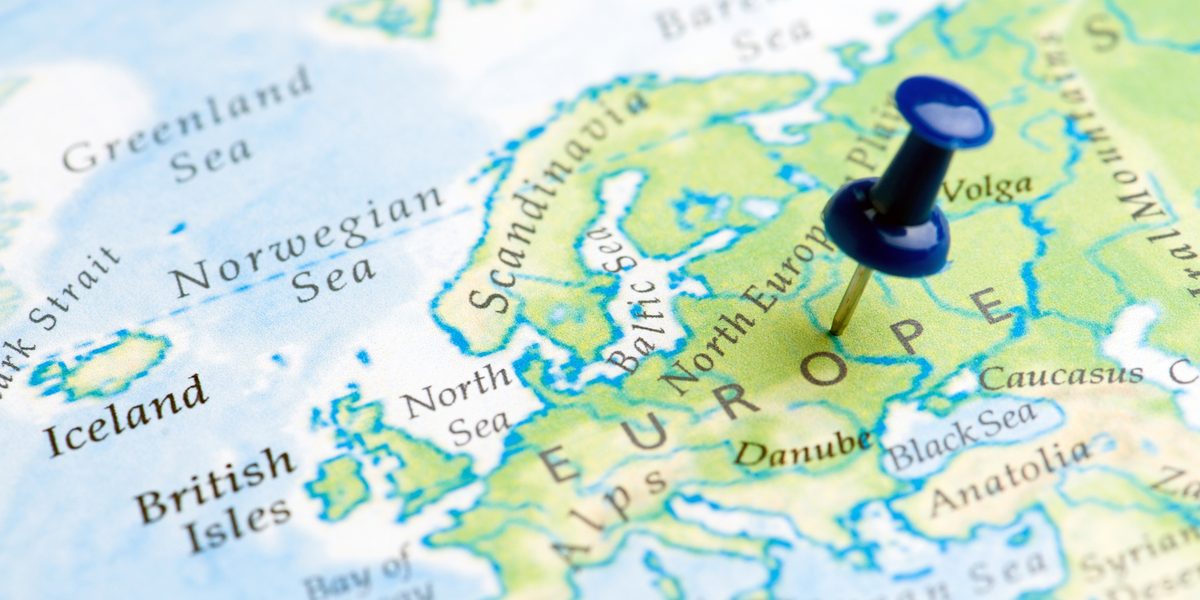
The European Union represents one of the most lucrative e-commerce markets in the world, with over 564 million online shoppers spread across 27 countries. For brands from outside Europe, and for European brands looking beyond their home market, it is a strong opportunity to reach a diverse, high-spending customer base. However, entering Europe involves more than just shipping products across borders. It requires a well-planned strategy to navigate complex regulations, adapt to local preferences, and leverage regional marketplaces. This blogpost offers a roadmap based on the key insights from our e-book: Playbook for Selling into Europe.
Getting Started in the EU: Building a Strong Foundation
Before entering the European market, it’s critical to establish clear goals for your expansion. Are you looking to generate additional revenue, increase brand awareness, or use Europe as an outlet for excess stock? Defining these objectives is essential to shaping your strategy.
The European market’s potential is enormous. The United Kingdom alone, outside the EU since Brexit but still Europe’s largest e-commerce market, generates over $152 billion in annual e-commerce revenue. Achieving success in these regions, however, requires a deep understanding of the cultural, logistical, and operational differences that define each market. Each country has its own set of consumer behaviors, shopping habits, and delivery expectations that brands must navigate to build trust and drive growth. Without a tailored approach, even the best products may fail to connect with local audiences.
Navigating Product Regulations: Meeting Europe’s Standards
Europe has some of the world’s strictest product regulations, which means many products from outside Europe must be reformulated to comply with EU standards. Potassium bromate, still used in some US baked goods, is banned in Europe, and colorings such as Yellow No. 5 (tartrazine) must carry a warning label. Cosmetics face the same scrutiny: several parabens are banned and triclosan is heavily restricted.
These regulations are not just bureaucratic hurdles; they reflect European consumers' trust in products that meet stringent safety and environmental standards. Adapting your products to align with these regulations demonstrates a commitment to quality, which can significantly strengthen your brand's appeal in this market.
Leveraging Marketplaces: A Localized Approach
While global giants like Amazon and eBay dominate Europe’s e-commerce landscape, success often hinges on understanding and leveraging regional marketplaces. In Germany, Italy and France, Zalando has carved out a strong position as a leader in fashion, while in France Fnac remains a trusted destination for electronics and lifestyle products.
In Poland, Allegro is the largest marketplace by far. Localizing your presence on these platforms ensures your brand can connect with the right audiences in each market.
Optimizing Payments for Seamless Operations
Payment preferences across Europe differ greatly, and understanding these nuances is essential to building trust with local consumers. In Germany, secure options like PayPal and buying on invoice (Kauf auf Rechnung) dominate, reflecting the population’s focus on privacy and reliability in transactions. Meanwhile, Poland has embraced innovative solutions such as BLIK, a mobile payment system integrated with most Polish banks. Italy presents a more traditional landscape, where cash-on-delivery remains a widely used option, showing the importance of trust and assurance in purchases. Adapting your payment methods to align with these preferences ensures a smoother experience for customers across diverse markets.
Optimizing Logistics for Seamless Operations
Efficient logistics are critical in meeting the expectations of European shoppers, who often have specific delivery preferences. In the United Kingdom, providers like DPD and Royal Mail excel at offering fast and reliable options, with next-day delivery being a popular choice. German consumers value security, making DHL a leader with its doorstep delivery services that often require signatures for added assurance. Spain, on the other hand, is increasingly focusing on sustainability in logistics, with providers such as Correos and SEUR implementing eco-friendly delivery solutions in urban areas. By tailoring delivery strategies to the unique needs of these standout markets, brands can enhance their reliability and customer satisfaction.
Conclusion: Your Roadmap to Success
Selling in Europe presents both a challenge and an opportunity. The European market is diverse, and achieving success requires a localized, well-informed approach that considers regulatory compliance, consumer preferences, and logistical challenges. By leveraging the insights from our e-book, your brand can navigate these complexities and unlock the vast potential of the European market.
Ready to take the first step? Download our e-book today for more information!
Shipping to customers in other countries?
Talk to a fulfillment expert →